
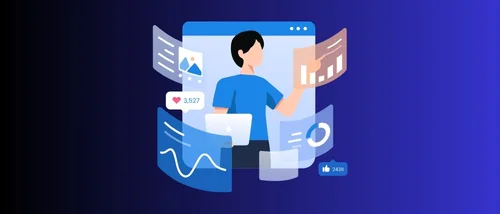
As we step into 2024, the digital marketing landscape continues to evolve at a breakneck pace. Emerging technologies are reshaping how brands interact with their audiences, making it crucial for marketers to stay abreast of the latest developments. This blog post explores the cutting-edge marketing technologies that are setting the tone for 2024 and beyond.
AI and Machine Learning: Personalization at Scale
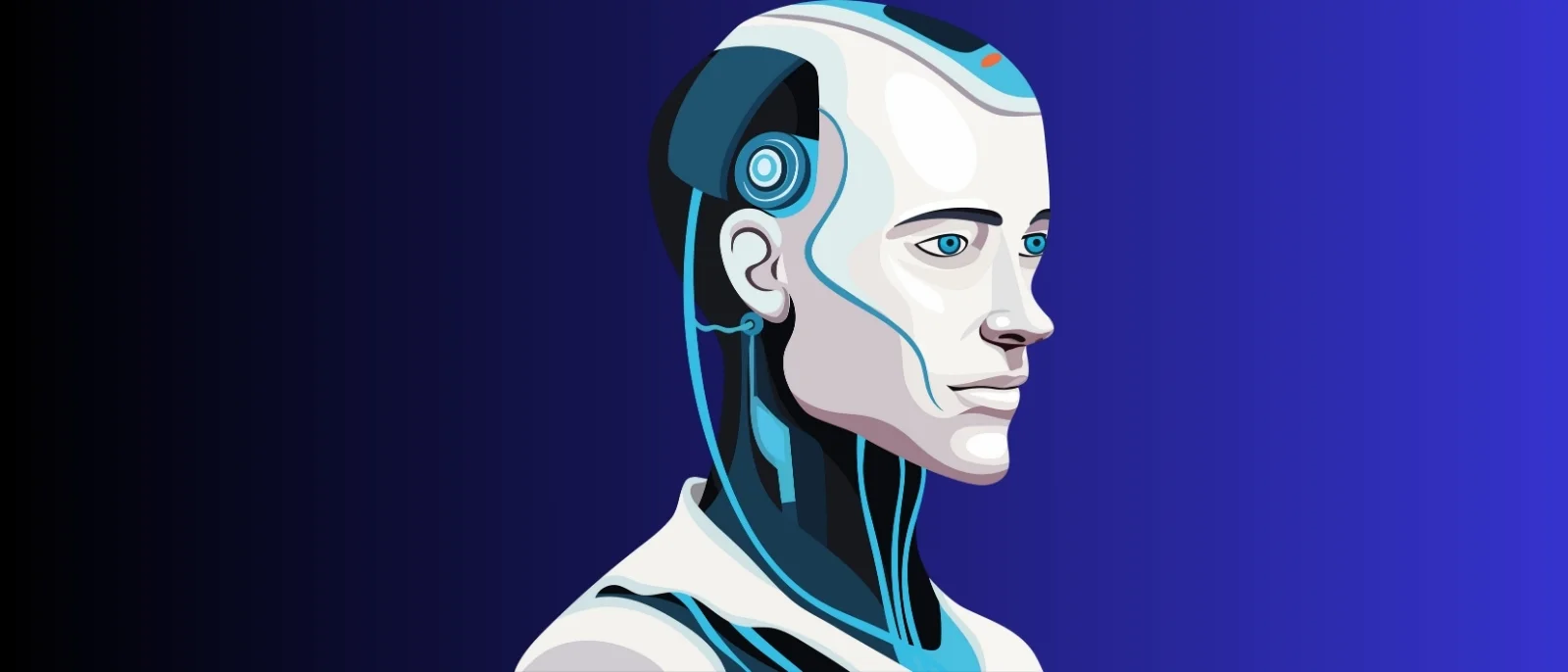
The integration of AI and machine learning into marketing tools is no longer a novelty but a necessity. In 2024, these technologies have become more sophisticated, enabling hyper-personalized customer experiences at scale. From predictive analytics to AI-driven content creation, marketers can now anticipate customer needs and tailor their strategies accordingly.
Now That’s Interesting — In 2024, the digital marketing landscape is revolutionized by AI’s ability to predict customer behavior in real-time. This technology enables marketing strategies to instantly adapt to each customer’s unique needs, ensuring highly tailored content delivery. Such proactive personalization by AI is not just an incremental change but a fundamental reshaping of digital marketing dynamics.
Voice Search Optimization: A New SEO Frontier

With the increasing use of voice assistants, voice search optimization has become a key focus in digital marketing. In 2024, optimizing for voice search isn’t just about being found; it’s about providing concise, conversational answers that voice assistants can relay to users, thus enhancing user experience and brand visibility.
Augmented Reality (AR) and Virtual Reality (VR): Immersive Marketing Experiences
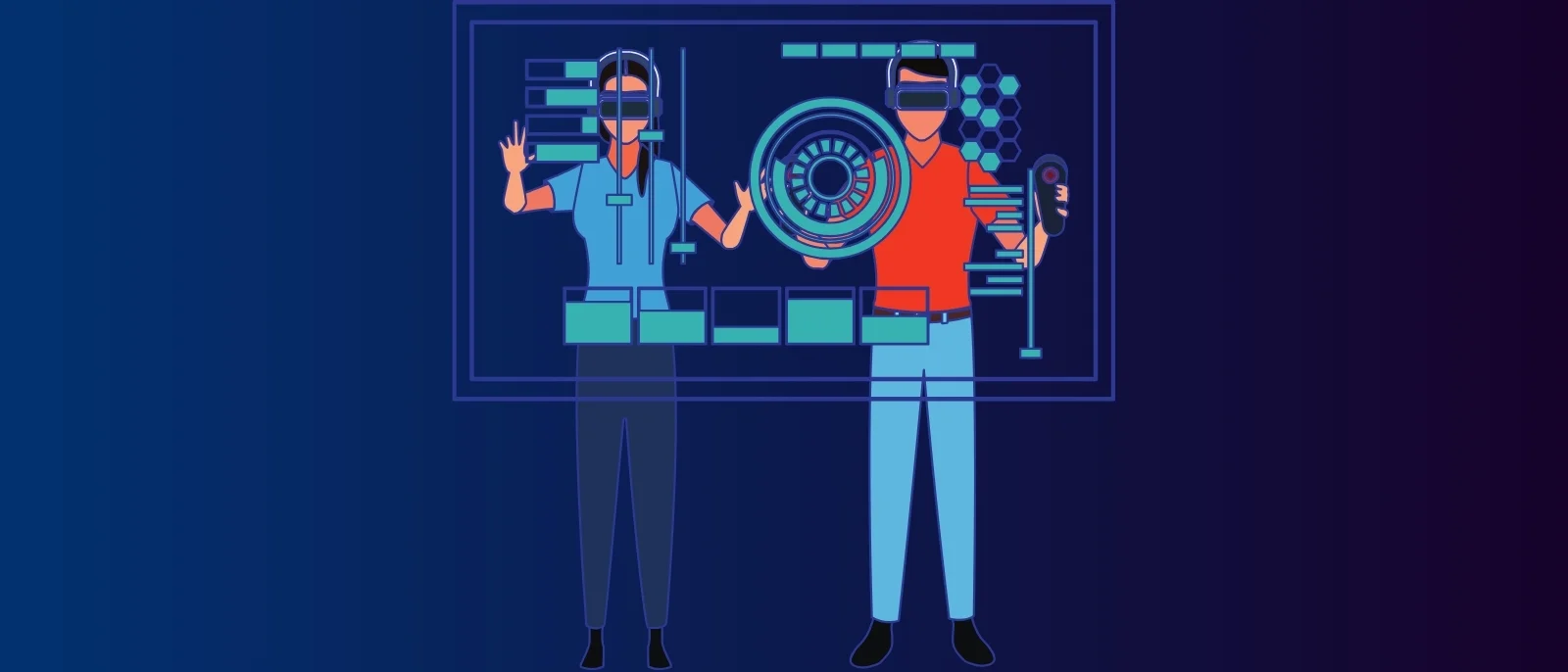
AR and VR technologies are transforming the customer journey by offering immersive experiences. Whether it’s virtual try-ons for e-commerce or interactive AR ads, these technologies bridge the gap between the digital and physical worlds, providing engaging and memorable brand interactions.
Chatbots and Conversational Marketing

The evolution of chatbots in 2024 is remarkable. Powered by advanced AI, these chatbots provide seamless, human-like interactions, facilitating customer service and sales. Conversational marketing through these bots allows for real-time engagement, improving customer experience and satisfaction.
Blockchain Technology: Transparency and Security in Marketing

Blockchain technology is increasingly being used for enhancing transparency and security in digital marketing. From preventing ad fraud to ensuring the authenticity of user reviews, blockchain is revolutionizing the trustworthiness of digital marketing practices.
5G Technology: Faster Connections, Richer Experiences
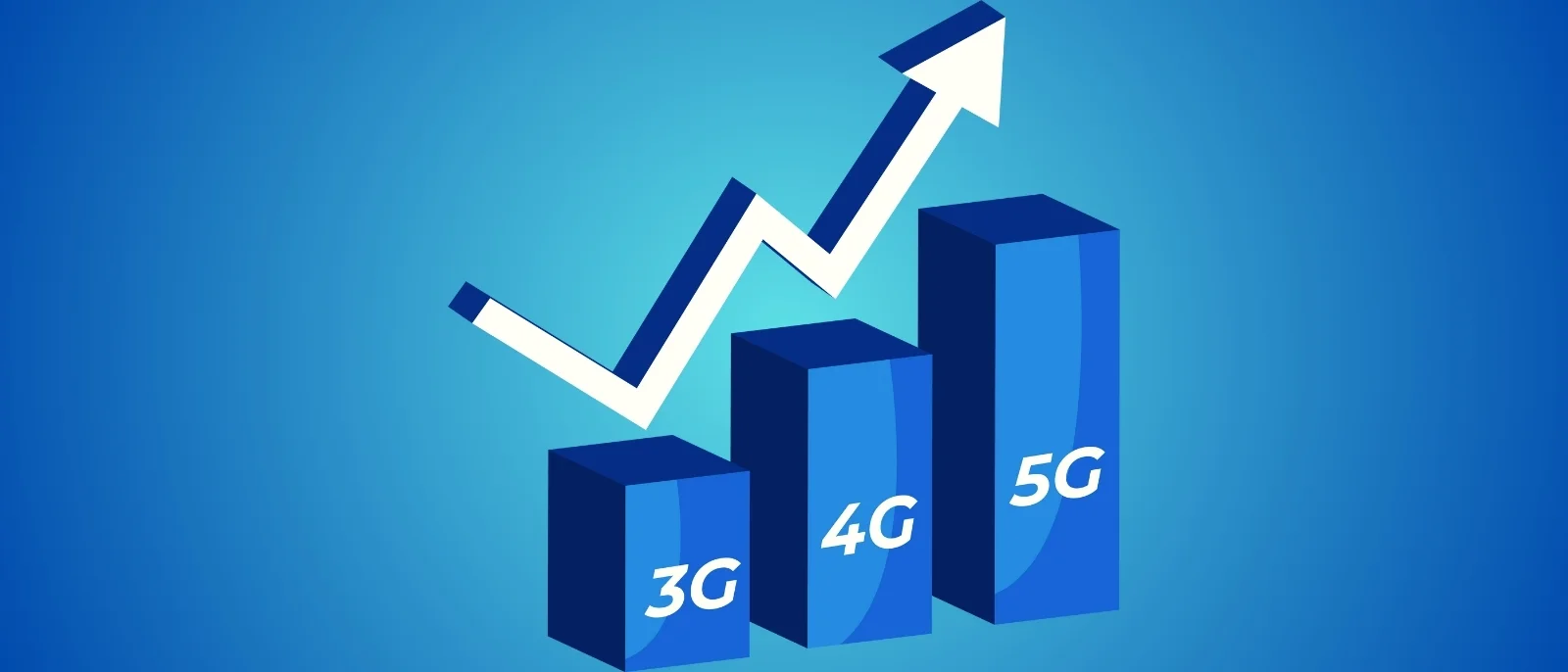
The widespread rollout of 5G technology has had a significant impact on marketing strategies. With faster loading times and enhanced connectivity, marketers can now create richer, more complex online experiences without the fear of lag or buffering, leading to higher engagement rates.
Data Privacy Regulations: Adapting to a Changing Legal Landscape
In 2024, data privacy remains a crucial aspect of digital marketing. Adapting to new regulations like GDPR and CCPA is not just about compliance; it’s about respecting consumer privacy and building trust. Marketers need to focus on transparent data collection practices and privacy-centric strategies.
Now That’s Scary — Advancements in AI and machine learning offer substantial benefits but also raise ethical concerns, particularly regarding privacy. The same technology enabling personalized experiences can also invade privacy if not handled carefully. Balancing personalization with privacy is vital to avoid misuse of personal data, making ethical considerations as important as the technology itself.
Why What’s New in Marketing Tech Matters

Understanding the latest trends in marketing technology is not just about keeping up with the competition. It’s about foreseeing the future of consumer interaction and preparing for a world where digital experiences are as natural and integral to us as physical ones. Embracing these technologies means not just surviving but thriving in a future where digital marketing is not a part of the strategy — it is the strategy.
Programmatic Advertising Reimagined: The New Wave of Interactive Ads
In 2024, programmatic advertising has revolutionized the digital marketing landscape with its leap towards interactivity and user engagement. These ads, powered by sophisticated AI algorithms and real-time data analytics, are redefining user experience by delivering personalized content that resonates with individual interests and behaviors. The era of static, one-size-fits-all advertisements has given way to dynamic, interactive ads that engage users on a more profound level. This technological advancement has allowed marketers to create ads that are not just seen but interacted with, leading to higher engagement rates and a deeper understanding of consumer preferences. Brands are now able to craft stories and experiences within their ads, turning each interaction into an opportunity for engagement and conversion.
Social Media’s New Era: Beyond Likes and Shares
By 2024, social media has transcended its traditional role in digital marketing, evolving from a platform for likes and shares to a sophisticated tool powered by artificial intelligence. This transformation has enabled brands to delve deeper into consumer insights, crafting strategies that are not only more nuanced but also more impactful. AI’s integration within these platforms allows for an unprecedented level of content personalization, audience segmentation, and behavioral analysis, making social media a powerhouse for targeted marketing. Moreover, the incorporation of augmented and virtual reality technologies has opened new avenues for creative storytelling, allowing brands to offer immersive experiences that go beyond traditional posts or ads.
Influencer Marketing: Authenticity in the Age of AI
In 2024, influencer marketing has been redefined by the advent of AI, emphasizing authenticity and genuine connections. Advanced AI tools have enabled brands to identify influencers whose values and audience demographics align closely with their own, fostering more organic and effective collaborations. This new approach has shifted the focus from mere follower counts to the relevance and engagement levels of influencers’ audiences. AI-driven analytics offer deeper insights into audience behaviors and preferences, allowing for more strategic and targeted influencer partnerships.
Seamless E-commerce Integration: Bridging the Gap Between Browsing and Buying
The landscape of e-commerce in 2024 has seen a transformative integration into various digital platforms, streamlining the consumer journey from browsing to buying. This seamless integration is characterized by the proliferation of in-app purchases, shoppable posts, and interactive ads, which have made online shopping more intuitive and frictionless than ever before. E-commerce is no longer confined to traditional online storefronts; it’s embedded within social media platforms, messaging apps, and even virtual reality environments. Brands are leveraging this integration to provide a cohesive and consistent shopping experience across multiple channels, ensuring that their products are easily accessible at every digital touchpoint.
Conclusion
The digital marketing landscape in 2024, marked by advancements in AI, interactive advertising, and the evolution of social media, continues to redefine the boundaries of brand-consumer interactions. The rise of authentic influencer marketing and seamless e-commerce integrations further illustrates the industry’s rapid adaptation to changing consumer behaviors. In this dynamic and technologically driven era, balancing innovative marketing strategies with ethical considerations and consumer privacy remains paramount. Marketers who embrace these trends, while prioritizing ethical practices, are poised to create powerful, engaging, and customer-centric strategies that resonate with modern audiences.